

Wheels of Change in a Cleaner Future
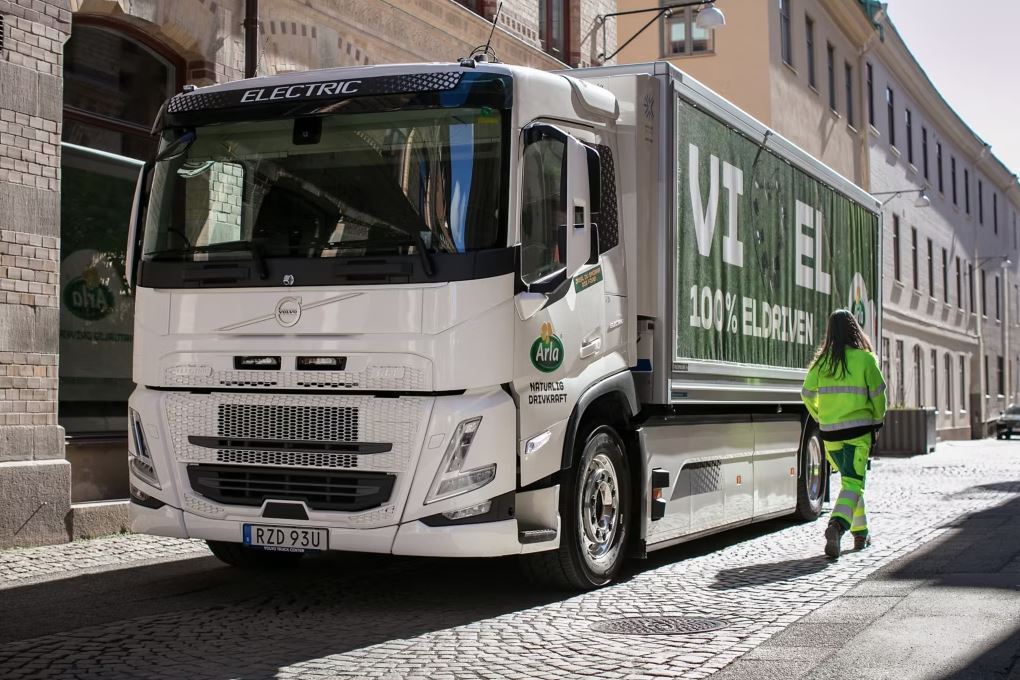
Low-Emission Transport Is Redefining Mobility, Urban Design, and the Rhythm of Sustainable Living
The Journey Toward Cleaner Mobility
Every generation inherits the roads of its predecessors, both literal and symbolic. In the twenty-first century, these roads are being reshaped not just by asphalt and steel but by conscience. Low-emission transport has become one of the most powerful expressions of human adaptation, a response to the environmental cost of movement. The idea is simple yet transformative: mobility without pollution, progress without compromise. The transportation sector contributes nearly a quarter of global greenhouse gas emissions, and reversing this trend requires a fundamental rethinking of how people and goods travel. The goal is not to limit mobility but to liberate it from fossil dependence. From electric vehicles and hydrogen trains to cycling infrastructure and shared mobility systems, the transition to low-emission transport symbolizes a cultural shift. It is an evolution from convenience as consumption to mobility as mindfulness, where every journey contributes to the health of both society and the planet.
The Historical Roots of Transportation and Its Environmental Impact
The history of transport mirrors the story of industrial civilization. Steam engines powered the first railways, linking distant towns and fueling economic expansion. The twentieth century brought internal combustion engines that democratized travel, allowing individuals to traverse continents with newfound freedom. Yet, this same progress bound the world to oil, embedding carbon deep within the rhythms of daily life. Smog became the signature of modern cities, and traffic congestion became a symbol of progress gone awry. It took decades for society to recognize that the very engines driving prosperity were simultaneously degrading the planet. This realization marked the dawn of environmental consciousness within mobility. The challenge then became how to maintain speed, efficiency, and accessibility while removing the pollution that accompanied them. The response required more than technical solutions; it demanded a redefinition of success, where the true measure of progress became not distance traveled but the sustainability of the journey itself.
The Science of Emissions and the Pursuit of Efficiency
Transportation emissions arise from the burning of fuels that release carbon dioxide, methane, and nitrogen oxides into the atmosphere. These gases trap heat, contributing to global warming and air quality deterioration. To counter this, engineers and scientists have turned to innovation rooted in efficiency. Electric propulsion eliminates tailpipe emissions entirely, while hybrid systems optimize energy use by combining electric motors with efficient combustion. Hydrogen fuel cells produce only water vapor, transforming the concept of exhaust into a symbol of purity. Even conventional engines have evolved, with cleaner fuels, advanced filtration, and lightweight materials reducing energy consumption. Yet technology alone cannot achieve the transformation. The design of cities, the behavior of commuters, and the logistics of freight all influence emission levels. Low-emission transport is therefore a multidimensional pursuit that integrates engineering, urban planning, and human psychology. Efficiency becomes not only a technical metric but an ethical value that shapes how humanity moves through space and time.
The Electric Revolution and the New Urban Landscape
Electric mobility represents one of the most visible faces of the low-emission movement. From silent cars gliding through city streets to buses recharging overnight, electricity is rewriting the story of motion. The shift from fossil fuel to electric power redefines infrastructure, creating demand for charging networks, renewable energy integration, and battery recycling systems. Urban planners are adapting, designing cities where vehicles coexist with pedestrian zones, public transport corridors, and green spaces. The promise of electric mobility extends beyond convenience; it symbolizes autonomy from the volatility of oil markets and the fragility of exhaust-choked ecosystems. As batteries become lighter, faster to charge, and longer-lasting, electric vehicles move from luxury to necessity. The ripple effect reaches energy markets, where the line between transport and electricity becomes blurred. Solar-powered homes feeding vehicles and vehicles supporting energy grids illustrate how mobility can become a vital component of a clean energy ecosystem that sustains itself.
Hydrogen, Biofuels, and the Diversity of Sustainable Propulsion
While electricity dominates headlines, the future of low-emission transport is far more diverse. Hydrogen stands as a powerful complement, offering rapid refueling and high energy density ideal for heavy vehicles, aviation, and shipping. Produced through electrolysis powered by renewables, green hydrogen emits nothing harmful during use. Its development requires investment in storage and distribution, but the payoff is profound: an energy carrier that bridges renewable generation and long-distance logistics. Biofuels, derived from waste or non-food crops, also contribute by decarbonizing existing engines without massive infrastructure change. They provide a transitional pathway for sectors that cannot yet electrify. The goal is not to find a single solution but to craft a mosaic of clean technologies suited to different regions and needs. By diversifying energy sources, societies reduce dependency, increase resilience, and move closer to a transport system that mirrors the complexity and balance of natural ecosystems rather than the linearity of industrial extraction.
Rethinking Cities Through Sustainable Mobility
Transportation does not exist in isolation; it is the circulatory system of urban life. As cities expand, mobility defines accessibility, opportunity, and social cohesion. Low-emission strategies reimagine urban design, prioritizing human experience over vehicular dominance. Public transit systems powered by electricity or hydrogen connect communities efficiently while reducing congestion and noise. Cycling networks and pedestrian-friendly zones promote physical health and social interaction. Car-sharing platforms reduce the number of vehicles on the road while maintaining flexibility. Smart mobility technology integrates data from traffic, weather, and public transport, enabling seamless journeys with minimal environmental impact. The result is a city that breathes, less noise, cleaner air, and greater equity in movement. Sustainable mobility does not merely reduce pollution; it restores the sense of place that cars once eroded. By designing for people rather than machines, cities evolve from mechanical grids into living ecosystems of movement, rhythm, and connection.
Economic Transition and the Business of Clean Transportation
The economic implications of low-emission transport are vast, transforming industries from manufacturing to finance. The automotive sector is shifting its foundation from mechanical complexity to digital intelligence. Electric drivetrains contain fewer moving parts, demanding new skills, supply chains, and business models. Startups challenge legacy automakers, while technology companies invest in mobility services rather than products. Renewable energy industries grow in tandem with transport electrification, linking two pillars of the green economy. Governments incentivize clean mobility through subsidies, tax credits, and research funding, while investors reward sustainability as a marker of stability. However, the transition also disrupts traditional employment patterns. Workers in fossil fuel industries face uncertainty, and adaptation requires retraining and policy support. Economic transformation must therefore be managed with fairness. A just transition ensures that sustainability is not achieved through inequality but through inclusion, where the benefits of cleaner mobility are shared across every segment of society.
The Cultural Shift Toward Sustainable Motion
Low-emission transport is not only about engines and infrastructure but about perception. For over a century, the automobile has symbolized independence, power, and prestige. The cultural narrative of mobility has glorified speed and ownership. Today, that narrative is being rewritten. Environmental awareness and digital connectivity are reshaping how people value transportation. Owning a car is no longer the ultimate sign of success; access, efficiency, and sustainability are the new ideals. Shared mobility, public transport, and cycling are being reframed as intelligent choices rather than compromises. Popular culture, advertising, and education play key roles in reinforcing this shift. When sustainability becomes aspirational, change accelerates. A new generation views mobility not as a right to consume but as a responsibility to share. This evolution reflects a deeper transformation in identity, where humanity learns that progress measured by care and restraint is richer than that measured by speed alone. The era of mindful motion has begun.
Governance, Policy, and Global Collaboration
Policy is the invisible engine behind every major shift in transportation. Governments define the pace of change through regulations, investments, and public engagement. Low-emission zones in cities limit polluting vehicles, while fuel efficiency standards push manufacturers toward cleaner technologies. International collaboration is equally vital. Agreements between nations coordinate emission targets, share research, and promote innovation across borders. Financial instruments like carbon credits incentivize corporate responsibility, while development funds support sustainable infrastructure in emerging economies. Yet policy must balance ambition with equity. The global south, still building its transport networks, must not be burdened by rules designed for developed nations. True collaboration means sharing technology and finance, ensuring that every country can move toward a cleaner future. Effective governance recognizes that transportation reform is not a single act of legislation but a continuous process of adaptation, refinement, and learning, guided by the shared vision of a stable climate and livable planet.
The Road Ahead for Humanity’s Next Great Journey
The evolution of low-emission transport represents one of the most profound shifts in human history. It is not merely a technical revolution but a philosophical one, redefining how societies move, connect, and coexist with the planet. The road ahead will not be simple. It will require patience, investment, and creativity. Yet the destination, a world where mobility enriches rather than exhausts, is within reach. Each innovation, from electric buses to hydrogen ships, adds momentum to the global movement toward harmony between technology and nature. The ultimate goal is not to eliminate motion but to align it with renewal. When vehicles draw power from the wind, when trains glide silently across continents, and when cities breathe freely beneath clear skies, humanity will have completed one of its greatest journeys. Low-emission transport will stand as proof that progress and preservation can travel together, carrying civilization toward a cleaner, quieter, and more compassionate horizon.