

Bridges Built from Sunlight and Wind
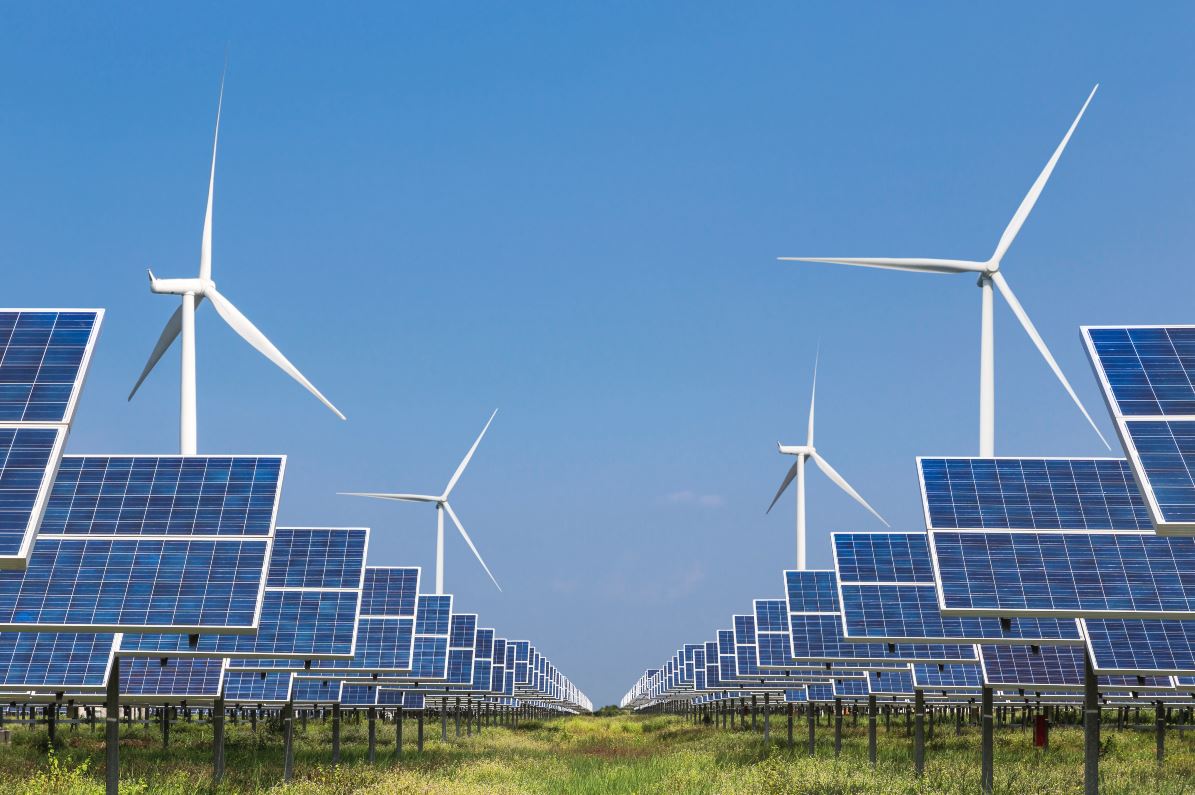
Foundations of a World Powered by Renewable Infrastructure
The Architecture of Tomorrow’s Energy
Across continents and coastlines, a quiet transformation is rising from the earth, shaping a new era of connection between people and the planet. Renewable infrastructure represents more than the construction of clean energy systems; it embodies a vision of endurance and equilibrium. The roads, bridges, and networks of the future are no longer built only for transportation or trade but for the flow of sustainable power. Cities that once relied on fossil grids now integrate wind corridors, solar rooftops, and geothermal conduits into their very design. These frameworks are not built against nature but alongside it, mirroring its efficiency and adaptability. Every new structure becomes a node in a living network, a participant in a global shift toward longevity. The challenge is immense, requiring both technical precision and social imagination, yet the reward is a civilization capable of thriving without consuming itself. To understand renewable infrastructure is to glimpse how engineering and ecology can finally speak the same language.
Reimagining the Grid as an Ecosystem
The traditional power grid was designed for simplicity, moving electricity in one direction from centralized plants to distant users. Renewable systems, by contrast, require an entirely new philosophy. They depend on decentralization, flexibility, and real-time intelligence. Microgrids emerge as the new heartbeat of local independence, balancing solar input from rooftops with wind output from nearby farms. Smart meters communicate consumption data instantly, allowing homes to become both consumers and producers of power. Artificial intelligence predicts demand fluctuations, adjusting storage and distribution seamlessly. Battery systems act as reservoirs, capturing excess energy and releasing it during cloudy days or still nights. The grid becomes less a rigid network and more an adaptive ecosystem. It learns, self-corrects, and grows more efficient through feedback. What once demanded massive industrial effort now unfolds through collaboration between digital insight and natural cycles. In this reimagined infrastructure, every household becomes part of a living web that pulses with renewable rhythm.
The Material Shift Beneath the Surface
Infrastructure begins with what lies unseen, in the materials that form its bones. The construction industry, responsible for a significant share of global emissions, is reengineering itself from the ground up. Engineers are replacing concrete with low-carbon alternatives derived from recycled waste, hemp fibers, and even volcanic ash. Steel production, traditionally one of the most carbon-intensive processes, now harnesses hydrogen-based smelting and electric arc furnaces powered by renewables. Roads incorporate crushed plastics and organic binders, turning pollution into strength. Buildings integrate photovoltaic glass that converts sunlight directly into electricity, merging structure and power generation into one. These material revolutions change how we build but also how we perceive permanence. Structures no longer signify consumption; they symbolize regeneration. Every bridge, tunnel, or transit hub built with clean materials becomes a testament to a new relationship between progress and responsibility. Beneath the aesthetic of concrete and steel, a quiet evolution is redefining the ethics of construction itself.
Water, Wind, and Sunlight as Architects
The great forces of nature have always shaped civilization, carving valleys, spreading seeds, and dictating where life could flourish. Today they also design the infrastructure of sustainability. Hydroelectric systems harness rivers not as sources of domination but of collaboration, using controlled flow and micro-turbines to generate constant clean power without disrupting ecosystems. Offshore wind farms rise like mechanical forests, their blades spinning within ocean breezes that never rest. Floating solar fields shimmer across reservoirs, doubling as evaporation barriers and power plants. Geothermal systems tap into the earth’s latent warmth, delivering steady heat even in regions where sunlight is scarce. These systems are neither ornamental nor experimental, they are the scaffolding of an economy that learns from nature’s consistency. Renewable infrastructure does not force nature to yield; it listens, mimicking its adaptability and endurance. Through this union, the planet’s elements become engineers, crafting a world where technology finally follows the contours of the Earth rather than cutting against them.
Urban Landscapes in Renewal
Modern cities stand at the intersection of urgency and opportunity. They consume vast energy yet hold the capacity for reinvention. Renewable infrastructure redefines how urban environments function, transforming skylines into self-sufficient ecosystems. Green roofs and solar façades turn buildings into vertical power stations. Public transportation systems transition to electric or hydrogen power, erasing the noise and fumes that once defined rush hour. Underground heat loops circulate geothermal energy through neighborhoods, providing warmth in winter and cooling in summer. Even streetlights evolve, powered by solar cells and equipped with sensors that dim or brighten based on pedestrian presence. The aesthetic of the sustainable city is not futuristic but organic, blending architecture with living systems. Parks integrate stormwater recycling, and bike paths are illuminated by energy harvested from kinetic tiles. Cities once seen as burdens on the planet are becoming prototypes of harmony. Their renewal proves that sustainability does not mean retreating from progress but guiding it with consciousness and design.
Transportation as a Flow of Clean Motion
Transportation infrastructure is the circulatory system of society, and its transformation defines the success of renewable progress. Electric highways equipped with inductive charging plates allow vehicles to draw power while in motion, extending range without fossil dependency. High-speed rail networks powered by renewable grids replace domestic flights, connecting regions without emissions. Ports adopt shore power systems that let ships shut off diesel engines while docked, cutting air pollution drastically. Aviation experiments with biofuels and hydrogen propulsion, preparing for an age when even the skies run clean. On a smaller scale, bicycles, scooters, and pedestrian pathways reshape cities into spaces for shared mobility rather than congestion. Each innovation represents a shift from movement as consumption to movement as efficiency. Transportation infrastructure becomes more than physical connectivity, it becomes moral architecture, binding communities through shared responsibility. The future of mobility lies not in speed alone but in balance, ensuring that every journey leaves behind clarity rather than residue.
The Power of Integration and Design
True renewable infrastructure transcends individual technologies; its power lies in integration. Energy systems, digital platforms, and natural processes must operate as a single organism. Architects collaborate with biologists to design structures that breathe like living tissues. Engineers work with data scientists to predict how energy flows will adapt to climate variation. Circular design principles ensure that waste from one sector becomes input for another, creating self-sustaining cycles. Agriculture merges with infrastructure as vertical farms attach to skyscrapers, producing food while filtering air. Even waste treatment plants evolve into bioenergy facilities, transforming methane into power. The result is not a collection of isolated solutions but a network of symbiotic relationships. This systemic integration defines the beauty of renewable progress: it turns complexity into coherence. In this vision, design becomes ethical rather than aesthetic, aligning purpose with presence. The infrastructure of the future will not only endure but nurture, its success measured in vitality rather than volume.
The Global Collaboration of Renewal
Renewable infrastructure transcends borders because wind, sunlight, and water belong to no nation. The transition to clean systems therefore depends on shared innovation and mutual accountability. International alliances fund cross-continental solar grids that deliver electricity to remote villages while connecting economies. Developing nations skip over outdated energy models entirely, leaping straight into renewable self-sufficiency. Digital twinning allows engineers on opposite sides of the world to co-design infrastructure in real time, ensuring efficiency before the first foundation is laid. Philanthropic foundations invest in renewable education, training local communities to manage and maintain systems sustainably. Governments adopt climate diplomacy that treats clean infrastructure as both an environmental necessity and a peace-building instrument. These collaborations form the backbone of a new global identity rooted in responsibility. The planet’s restoration becomes a collective project, an endeavor that unites science, policy, and human will. In this shared effort, progress is not measured in dominance but in cooperation, each project a gesture of solidarity toward a cleaner world.
The Blueprint of a Self-Sustaining Future
The foundations of renewable infrastructure represent more than engineering; they embody a shift in consciousness. The bridges, grids, and systems being built today will determine how humanity relates to the planet for centuries. To build sustainably is to imagine continuity beyond our lifetime, to accept that progress cannot exist without restraint. The cities of the future will be quiet but powerful, their lights fueled by sun, their transport carried by wind, their structures cooled by the patience of the earth itself. GreenEconomy stands as part of this unfolding narrative, where technology matures into stewardship and ambition transforms into alignment with nature. The blueprint for a self-sustaining world is already being drafted in every solar array, every offshore turbine, every community that chooses renewal over repetition. What began as innovation has become evolution, a journey toward coexistence written not in concrete alone but in consciousness. The true infrastructure of tomorrow is not made of steel or silicon, it is built from intention, the most renewable resource humanity has ever known.