

The Element That Redefines Clean Energy
The Dawn of Green Hydrogen Is Redefining Energy, Industry, and the Promise of a Living Planet
The Return of a Forgotten Element
In the quiet balance of the periodic table lies hydrogen, the simplest and most abundant element in the universe, yet it has waited patiently for humanity to understand its potential. For centuries, hydrogen has flickered at the edge of discovery, appearing in chemical experiments, rocket fuel, and industrial processes, but always chained to carbon. Today, in the age of climate reckoning, hydrogen has been rediscovered not as a relic of chemistry but as the key to a new era of clean power. Green hydrogen, produced through the electrolysis of water using renewable energy, represents the fusion of nature’s most elemental forces, air, water, and light. It carries within it the dream of fuel without pollution, energy without extraction, and industry without guilt. The story of green hydrogen is not only about technology but about the return of balance, a rekindling of harmony between invention and the planet that sustains it.
The Art of Splitting Water
At the heart of green hydrogen lies an ancient process made modern. Electrolysis, the separation of water into hydrogen and oxygen, seems simple on paper but embodies one of humanity’s most delicate dances with physics. When powered by renewable energy, this process becomes a clean alchemy, creating fuel through sunlight, wind, or flowing water. The challenge lies in scale and precision. Electrolyzers, devices that drive this reaction, must operate efficiently to make production viable. Scientists are now crafting new membranes, catalysts, and electrolytic cells from materials that resist degradation and reduce energy loss. Some are experimenting with seawater as a feedstock, while others explore photoelectrochemical systems that use sunlight directly to split molecules. Each breakthrough brings the cost of green hydrogen closer to parity with fossil fuels. The simplicity of water conceals profound sophistication, and through it humanity learns that the most elegant technologies often imitate the quiet intelligence of nature itself.
The Green Symphony of Energy Integration
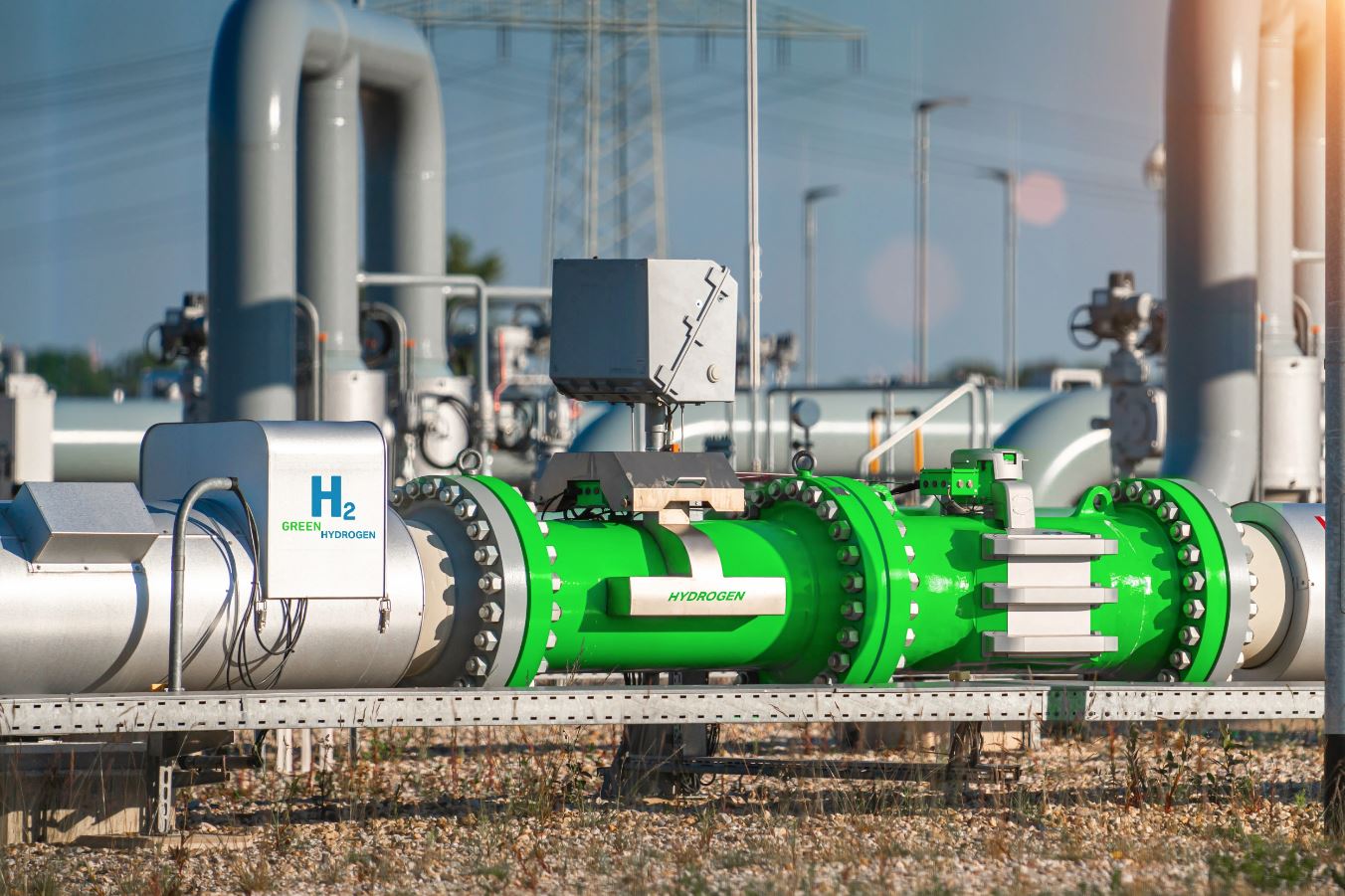
Energy has always been fragmented, coal in one place, gas in another, and electricity flowing through fragile networks. Green hydrogen offers a way to unite these disparate streams into a single harmonious system. It can be stored when the sun sets or the wind stops, transported across borders, and converted back into power when needed. In this sense, hydrogen is not merely a fuel but a bridge, connecting renewables to sectors that were once thought impossible to decarbonize. Steelmaking, shipping, and aviation can all draw from its promise. Hydrogen turbines generate electricity with zero carbon emissions, while fuel cells silently power vehicles with only water vapor as exhaust. The infrastructure that supports this ecosystem, pipelines, storage caverns, refueling stations, forms a living network of energy exchange. Each component participates in an intricate symphony where light becomes motion, and motion becomes renewal. Green hydrogen transforms energy from a commodity into a conversation between the elements.
The Economics of the Invisible Flame
For green hydrogen to fulfill its destiny, it must not only work in theory but thrive in markets shaped by cost, competition, and politics. The economic challenge begins with electricity itself. Because hydrogen production depends on renewable power, its cost fluctuates with the availability and price of clean energy. Countries blessed with abundant sunlight or strong winds, such as Australia, Chile, and Morocco, are emerging as global producers. Europe and Japan, lacking large renewable territories, are positioning themselves as importers and consumers. Governments are creating subsidies, carbon credits, and national hydrogen strategies to encourage investment. At the same time, industries are forming alliances to share infrastructure and reduce duplication. The race to commercialize hydrogen is not one of rivalry but of mutual survival. The economics of this invisible flame depend on collaboration between regions, industries, and technologies that once operated in isolation. In that cooperation lies the blueprint for a sustainable economy.
The Water Paradox and the Promise of Balance
Every innovation carries its contradictions, and for green hydrogen, the question of water use looms large. Electrolysis requires significant quantities of purified water, raising concerns about competition with agriculture and human consumption. Yet, scientists are already addressing this paradox. By using seawater, wastewater, or atmospheric humidity, the dependence on freshwater can be dramatically reduced. In some desert regions, green hydrogen plants are being designed to operate with their own desalination systems powered by solar energy, turning scarcity into self-sufficiency. Furthermore, when hydrogen is burned or used in fuel cells, it recombines with oxygen to form water again, completing a natural cycle. In essence, hydrogen does not consume water, it borrows it. The cycle mirrors the hydrological rhythms of the planet, where evaporation, condensation, and precipitation sustain balance. Through careful design, green hydrogen can embody that same equilibrium, proving that even technology can learn the language of renewal.
The Industrial Metamorphosis
Industries that once defined progress through pollution are now redefining themselves through purity. Steel plants are replacing coal furnaces with hydrogen-powered systems that reduce iron ore without carbon emissions. Chemical manufacturers use green hydrogen as a feedstock to produce ammonia and methanol sustainably. Refineries, long the epicenters of fossil dependence, are transforming into hubs for hydrogen production and distribution. Even the cement industry is exploring hydrogen as a clean source of thermal energy, reducing one of the hardest-to-abate carbon footprints. These shifts represent not mere adjustments but metamorphosis, a fundamental rewriting of industrial DNA. The energy transition, once confined to power generation, now touches the molecular heart of manufacturing. Green hydrogen offers industries a way to reconcile profitability with responsibility, to create value without depletion. What was once considered impossible now unfolds as the inevitable next chapter in the evolution of human industry, guided by the light of green innovation.
The Global Web of Cooperation
Unlike fossil fuels, which often divide nations through competition and scarcity, green hydrogen encourages unity through abundance. The energy it carries is derived from sunlight, wind, and water, resources that belong to no one and everyone. This universality fosters partnerships across continents. Australia sends green hydrogen to Japan through liquefied carriers. The European Union invests in hydrogen corridors linking North Africa to its industrial heartlands. Latin America and the Middle East are emerging as new powerhouses, exporting clean energy rather than crude oil. Such collaboration redefines geopolitics, replacing control with cooperation. The new economy built around hydrogen is not about ownership but participation, where each region contributes according to its strengths. International agreements set safety and quality standards, while research consortia share data on efficiency and storage. In this global web, innovation spreads faster than competition. The pursuit of green hydrogen becomes not a race but a shared pilgrimage toward balance and resilience.
The Spirit of Innovation and the Challenge Ahead
Green hydrogen embodies humanity’s greatest paradox, its capacity for destruction intertwined with its capacity for healing. The same curiosity that once burned coal to light cities now drives the quest for a cleaner flame. Yet the path ahead is not free of obstacles. Electrolyzer costs remain high, infrastructure is incomplete, and storage technologies continue to evolve. Hydrogen, the smallest molecule, presents enormous challenges in containment and transport. Safety standards must adapt, and public trust must be earned. Still, the momentum is undeniable. Innovation accelerates as necessity deepens. Universities, startups, and energy giants collaborate, motivated not only by profit but by the urgency of planetary survival. The challenge of green hydrogen is not technical alone, it is moral. It tests whether humanity can align intellect with empathy, invention with restraint. The progress of this technology will measure not only how far science has advanced but how deeply society has learned to listen to the planet it seeks to power.
The Breath of a Regenerative Future
As the world transitions toward renewable energy, green hydrogen stands as a symbol of reconciliation. It takes nothing that cannot be returned and creates nothing that cannot be absorbed. It teaches that the simplest elements, hydrogen and oxygen, bonded and broken, contain the potential for both ruin and redemption. The future it envisions is one where energy flows like wind and water, free from the burdens of extraction. GreenEconomy watches this transformation unfold, chronicling the birth of an energy system built not on dominance but on understanding. When power generation becomes a reflection of balance, humanity reclaims its place within the cycles of life. The invisible fire that once fueled ambition now learns to sustain peace. In that quiet evolution lies the essence of a regenerative world, where every spark of innovation carries within it the memory of water and the promise of renewal.