

The Heartbeat of a Breathing Planet
Ancient Forests Shape the Future of Life and Human Imagination
The Living Memory of the Earth
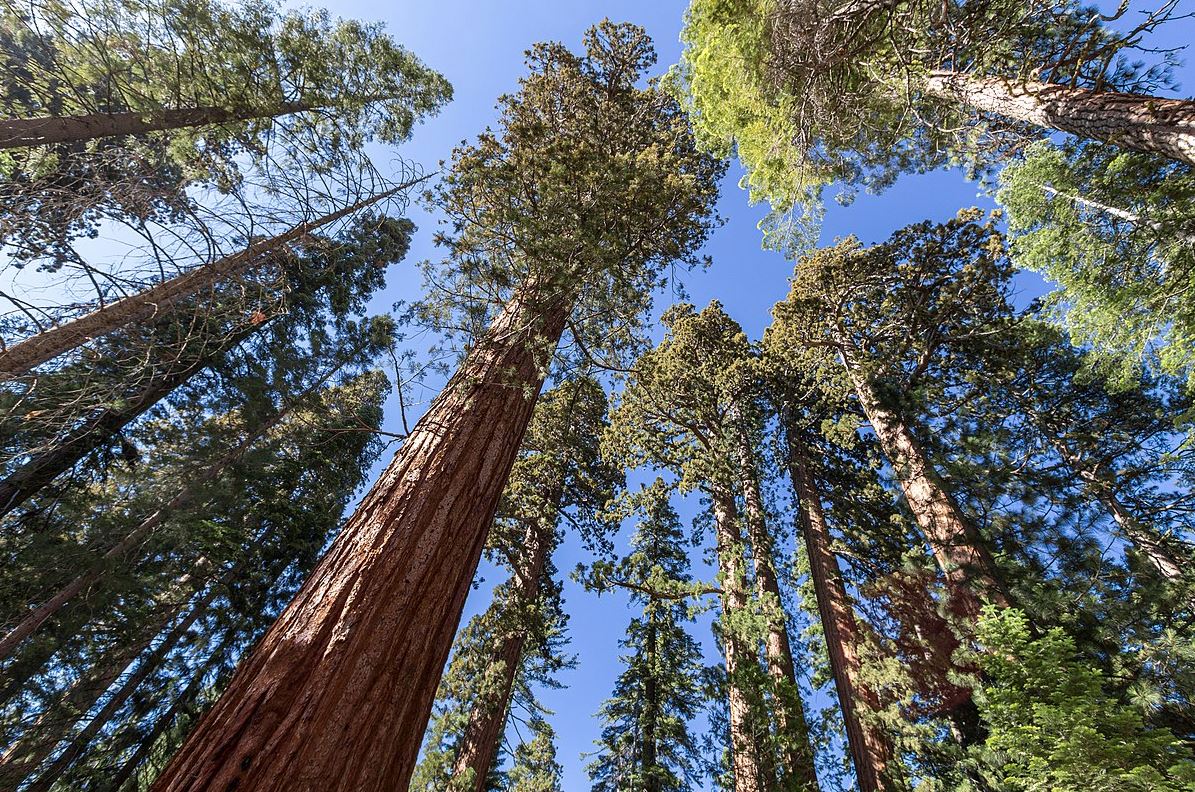
Beneath the green canopy, where sunlight filters into a soft mosaic of shadow and motion, forests hold the oldest memories of the planet. Every trunk and leaf carries a record of resilience, a quiet testimony to how the world once breathed before machines and cities began to reshape its rhythm. Forests are not merely habitats but living archives, places where time moves at the pace of growth and decay. Each root traces the history of rain, each branch remembers the songs of creatures that once nested there. Their silence is deceptive, for within their stillness lies an orchestra of exchange between soil, air, and life. To preserve these living systems is to safeguard the vocabulary of the Earth itself. The more science uncovers about their interdependence, the more humanity realizes that the forest’s story is also our own. They give not only oxygen but perspective, teaching that every cycle of life is both finite and infinite, fragile yet eternally renewing.
Forests as Engines of Balance
When viewed from above, forests resemble green oceans that regulate climate and store the breath of generations. They absorb carbon dioxide, moderate temperature, and return moisture to the atmosphere through processes so subtle yet vast that no human invention can replicate them. Scientists refer to this as the biosphere’s equilibrium, a balance maintained through countless small acts performed by roots, fungi, and leaves. As deforestation accelerates, this equilibrium falters, resulting in shifting rainfall, prolonged droughts, and increased vulnerability to storms. Preservation is therefore not nostalgia but necessity. Modern research shows that reforestation and protection programs can restore regional climates, reviving rivers and bringing fertility back to soil long considered barren. These natural systems act as climate stabilizers, ensuring that weather remains predictable and agriculture viable. Forests are, in effect, the planet’s lungs and thermostat combined. Protecting them means ensuring that every breath of wind and drop of rain continues to fall in harmony with the cycle of life that sustains civilization.
Guardianship in a Fragmented World
As urbanization expands, the space for wilderness contracts. Yet within this transformation lies an opportunity to redefine what guardianship means. Forest preservation today requires more than fences and protected zones; it demands integration with social systems that understand the forest as a partner rather than a resource. Indigenous communities have long practiced this philosophy, managing their environments with respect rooted in cultural memory. Their knowledge of seasons, medicinal plants, and sustainable harvesting predates modern conservation by millennia. Recognizing their leadership is not charity but wisdom. When forest management combines indigenous stewardship with contemporary science, preservation becomes both ethical and effective. Governments and private organizations are beginning to acknowledge that no satellite or drone can replace the eyes of those who live among the trees. Empowering these communities ensures that protection is continuous, intimate, and resilient. The forest, in turn, rewards such care with stability, biodiversity, and an enduring sense of place that unites humanity across borders and beliefs.
The Technology of Regrowth
While preservation once meant isolation, technology has expanded its possibilities. Scientists are using drones to plant seeds over vast deforested landscapes, reforesting areas in months that would have taken decades through manual labor. Artificial intelligence monitors tree health by analyzing infrared imagery to detect disease before it spreads. Sensors buried in soil collect data on moisture, temperature, and nutrient flow, providing real-time information that guides sustainable forestry practices. Even blockchain systems now track timber production to ensure that only ethically sourced wood enters global markets. These innovations represent a new kind of partnership between humanity and the natural world, where technology acts not as conqueror but as collaborator. Yet true progress depends on intention. Machines can plant trees, but only awareness can keep them standing. Preservation requires not just efficiency but empathy, a recognition that forests are not assets but allies. As tools evolve, the challenge remains to ensure that every algorithm and invention serves the purpose of harmony rather than convenience.
The Economy of Green Value
Forests generate value beyond what markets can easily quantify. They provide food, medicine, and materials that sustain countless industries, yet their greatest worth lies in the services they offer freely. Pollination, water purification, and carbon absorption represent trillions of dollars in ecological labor performed without contract or compensation. Economists are beginning to redefine prosperity by incorporating these invisible assets into policy frameworks. Carbon credits, conservation funds, and green bonds now create incentives for preservation rather than exploitation. Countries that protect their forests receive recognition not only as stewards of nature but as leaders of sustainable growth. The emerging field of natural capital accounting translates ecology into economy, ensuring that protection is profitable. This shift marks the dawn of a new era where wealth is measured by health. The more forests thrive, the stronger economies become. GreenEconomy reflects this transformation, uniting finance with foresight and proving that preservation is not a constraint but an investment in longevity.
The Web of Biodiversity and Renewal
Within the layered architecture of forests exists an ecosystem of unimaginable complexity. From moss to canopy, each species performs a task that maintains balance. Microbes recycle nutrients, insects pollinate flowers, and birds disperse seeds that ensure regeneration. When even one element is removed, the entire network weakens. Biodiversity acts as a safety net, buffering ecosystems against disease and climate change. Protecting forests therefore preserves far more than scenery; it safeguards the blueprint of resilience. Scientists studying tropical and temperate forests alike have discovered that genetic diversity within a single tree species can determine how well an entire habitat adapts to stress. This interdependence mirrors human society, where variety strengthens adaptability. Conservationists now focus not only on tree counts but on genetic variation, recognizing that true preservation extends beyond visible growth. To maintain biodiversity is to preserve evolution’s laboratory, a place where life experiments endlessly, creating solutions that sustain the entire planet.
Education as a Seed of Awareness
Knowledge is the most effective tool for preservation because understanding transforms behavior. Educational initiatives bring the forest into classrooms, linking science with empathy. Students learn that trees are not solitary organisms but members of networks that communicate through underground fungal systems known as the wood wide web. Field trips, digital simulations, and volunteer planting programs make conservation tangible. When young people participate directly in restoration projects, they internalize responsibility rather than view it as obligation. Beyond formal education, storytelling continues to shape public consciousness. Documentaries, art installations, and literature amplify the voice of the forest, reminding society that preservation is a shared narrative. The goal is not to romanticize nature but to restore intimacy with it. The forest becomes both teacher and student, guiding humanity toward humility. Each new generation that grows up with this awareness will approach technology, economics, and policy with the understanding that progress must coexist with protection.
The Cultural Roots of Conservation
Across civilizations, forests have inspired myth, music, and spirituality. From the sacred groves of India to the ceremonial woodlands of Africa, humanity has long revered trees as bridges between the physical and the divine. These traditions carry lessons for modern sustainability. When cultural identity includes reverence for the natural world, preservation becomes an act of self-respect. Artists, poets, and architects continue this lineage, using creative expression to remind people of their place within larger ecosystems. Urban reforestation projects now include cultural festivals that celebrate both heritage and environment. This union of art and ecology strengthens the emotional bond necessary for long-term stewardship. Conservation gains power when rooted in meaning rather than mandate. A poem carved into a wooden bench, a mural painted on a city wall, or a melody inspired by rustling leaves, all remind people that forests are more than resources. They are symbols of continuity, reflections of what it means to live responsibly within creation.
A Future Grown from Harmony
The path forward for forest preservation is neither purely technological nor purely spiritual; it is a synthesis of both. Future landscapes will depend on decisions made with patience, compassion, and intelligence. Urban forests will filter city air, while protected wildernesses will anchor the stability of continents. Reforestation efforts will expand through global cooperation, but their success will rely on local participation. Humanity must learn to see forests not as distant wilderness but as partners in existence. GreenEconomy envisions this future as one of mutual respect, where economy, ecology, and emotion align in shared purpose. The forest stands as the clearest metaphor for unity, each part dependent on another, each breath a continuation of countless unseen exchanges. To preserve the forest is to preserve the possibility of balance itself. When the last chainsaw falls silent and the first sapling grows in its place, the Earth will remember that humanity once paused, listened, and finally chose to heal. That choice, quiet yet profound, will define not just the fate of forests but the destiny of life on this living planet.