

The Song Hidden Inside the Cloth
The Fabric of Tomorrow Is Being Woven with Care, Science, and the Wisdom of Renewal
The Hidden Weight of What We Wear
Clothing has always been more than protection. It is identity, art, and comfort. Yet the global fashion industry, once celebrated for creativity, now stands among the most resource-intensive forces on the planet. Millions of tons of textiles are produced each year, using water, chemicals, and energy at scales that ecosystems cannot endure. Cotton cultivation drains rivers, synthetic fibers release microplastics, and dyeing processes pollute watersheds that once nourished life. The beauty of what we wear often conceals the cost of its creation. Sustainable textiles seek to mend this disconnection by rethinking how fibers are grown, processed, and reused. The goal is not to strip away comfort or color but to restore conscience to craft. To clothe humanity without unclothing the planet requires both technological revolution and cultural awakening. The movement toward sustainable textiles begins with understanding that every thread holds within it the memory of the Earth that birthed it.
The Evolution of Fiber and Thought
The story of textiles mirrors the story of civilization itself. Ancient weavers used flax, hemp, and wool, materials harvested gently from their surroundings. Each region developed fabrics suited to its climate, making sustainability an inherent part of culture. Industrialization broke this harmony. Machines multiplied production while disconnecting it from place. Synthetic fibers like nylon and polyester promised durability but brought dependence on fossil fuels. The result was abundance without accountability. In recent decades, awareness has begun to reweave this lost balance. Scientists are developing fibers from bamboo, seaweed, and agricultural waste, offering strength without sacrifice. Hemp, once banned in many regions, has returned as a champion of regeneration, requiring little water and restoring soil health. Even silk is being reinvented through lab-grown proteins that mimic nature without harming living creatures. These innovations show that progress need not sever its roots. When science collaborates with nature rather than replaces it, every fabric becomes an act of remembrance.
The Chemistry of Renewal
Behind every fabric lies chemistry, and for centuries that chemistry has been toxic. The dyes and finishes that give garments their texture and color often contain heavy metals, formaldehyde, and solvents that linger in waterways and human bodies alike. Sustainable textiles demand a new chemistry, one that aligns molecular design with ecological intelligence. Plant-based dyes are being revived, not as nostalgic novelties but as scalable solutions. Advances in biochemistry allow color to be grown through microbes that secrete pigments as part of their metabolism. Enzymatic processing replaces harmful bleaching agents, breaking down impurities with precision rather than brute force. Textile recycling, long hindered by chemical incompatibility, is being revolutionized by closed-loop solvents that separate and reconstitute fibers without degradation. The chemistry of renewal is elegant rather than aggressive, replicating the subtle processes of natural transformation. In this scientific renaissance, sustainability becomes not a limitation but a higher art of synthesis, where molecules align with meaning.
The Circular Thread of Tomorrow
In nature, waste does not exist. Every fallen leaf becomes soil, every cycle feeds the next. The textile industry is learning to follow this wisdom through circular design. Rather than producing garments destined for landfills, circular fashion envisions fabrics that can be endlessly reused or biodegraded. Companies are building systems to collect old clothing, break it down, and spin it into new fibers. Designers are experimenting with modular garments that can be updated rather than replaced, extending their lifespan through creativity. Startups are even developing digital tags that store material data, allowing recycling facilities to identify and process fabrics correctly. Circular design requires a shift in mindset as much as machinery. It transforms the consumer into a participant in renewal. Each purchase becomes a promise of return, a thread rejoining the cycle. The wardrobe of the future will not be a collection of objects but a living system of transformation.
The Power of Water and Its Restoration
Textile production is inseparable from water, and water has paid the highest price for fashion’s excess. It takes thousands of liters to grow the cotton for a single shirt and even more to dye and finish it. Rivers that once supported agriculture have been reduced to polluted channels of industrial runoff. Sustainable textile practices begin by giving water a voice. Closed-loop dyeing systems capture and reuse water multiple times, drastically reducing consumption. Advanced filtration technologies remove microfibers and pollutants before discharge, allowing ecosystems to heal. Some factories now operate on rainwater harvesting systems, reducing their dependence on external sources. Beyond the technical lies a philosophical shift: water is no longer treated as a disposable tool but as a collaborator. When each drop is respected, efficiency follows naturally. The redefinition of water’s role within the textile chain symbolizes a deeper truth, that sustainability is not only about materials but about relationships restored.
The Human Fabric of Change
The transformation of textiles is also the transformation of people. Millions work within garment supply chains, often in conditions that contradict the very idea of sustainability. Ethical production ensures that environmental progress is not achieved at human expense. Fair wages, safe workplaces, and empowerment programs are becoming integral to sustainable textile initiatives. Transparency platforms allow consumers to trace the origins of their clothing, bringing visibility to hands that have long been invisible. In Bangladesh, India, and Vietnam, cooperatives led by women are redefining ownership within the fashion industry. In Europe and North America, local artisans revive traditional weaving and natural dyeing, creating small-scale economies rooted in pride rather than exploitation. Sustainability, at its heart, is a social fabric as much as an environmental one. When care extends from soil to seamstress, fashion regains its humanity. The act of wearing becomes an act of acknowledgment, a quiet solidarity between maker, wearer, and the living world.
Digital Design and Material Intelligence
Technology, often blamed for disconnection, is becoming an ally in the quest for sustainability. Artificial intelligence assists in predicting trends more accurately, reducing overproduction and waste. 3D modeling allows designers to visualize and test garments virtually, eliminating the need for multiple prototypes. Smart textiles equipped with embedded sensors track their own lifecycle, alerting users when repair or recycling is due. Blockchain platforms record the origin and composition of fabrics, ensuring authenticity and accountability across global supply chains. Meanwhile, biodesign laboratories merge digital precision with organic growth, cultivating fibers from living cells guided by algorithms. These innovations illustrate that the digital world, when guided by ecological purpose, can enhance material intelligence rather than replace it. The boundary between fabric and technology is dissolving, giving rise to textiles that are not only sustainable but self-aware in their design. The garment becomes a conversation between code and climate, between the virtual and the vital.
The Aesthetic of Responsibility
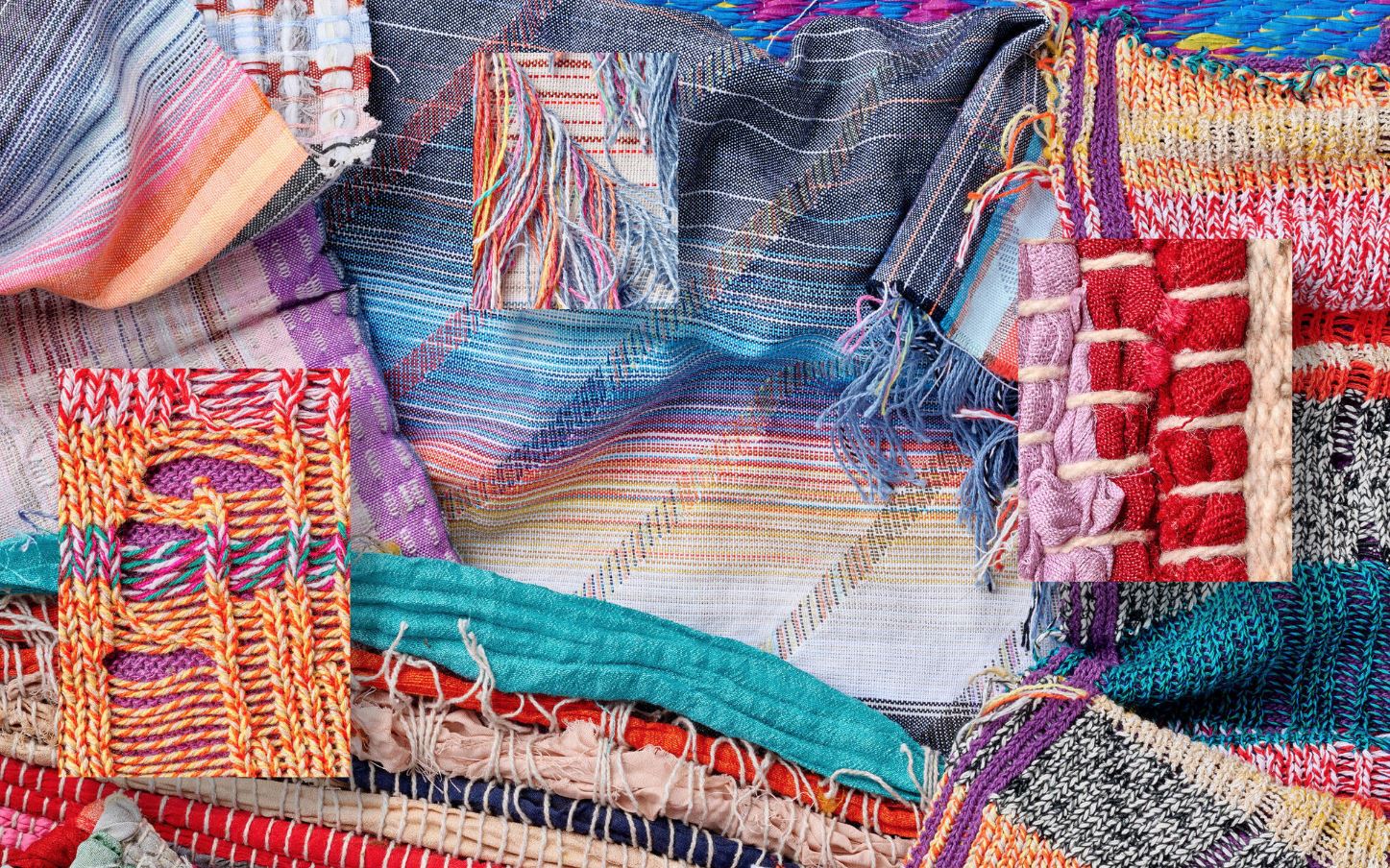
Beauty has always been fashion’s language, but beauty is evolving. The new aesthetic values honesty over excess and purpose over perfection. Designers are finding inspiration in imperfection, the irregular textures of handwoven linen, the subtle fading of plant dyes, the visible mending of repaired garments. Sustainable fashion celebrates the passage of time rather than concealing it. This shift reflects a broader cultural awakening, one that finds allure in restraint. Minimalism is not emptiness but clarity. Color palettes echo the earth, drawn from clay, bark, and leaf rather than chemical vats. The tactile connection between body and material is restored, replacing synthetic gloss with organic grace. The aesthetic of responsibility invites intimacy. It asks the wearer to feel, to understand, to remember. When beauty and ethics intertwine, clothing becomes more than adornment, it becomes dialogue. Every thread carries a whisper of renewal, every garment tells a story of care made visible through craft.
The Loom of Regeneration
The future of textiles will not be defined by fabric alone but by philosophy. The loom is no longer just a machine of weaving; it is a metaphor for connection. The sustainable textile movement unites farmers, scientists, artists, and consumers in a shared act of creation. It challenges industries to balance innovation with empathy, production with preservation. As materials evolve toward biodegradability and circularity, fashion’s deeper transformation unfolds within consciousness itself. The question is no longer how clothes are made but why. Each choice, from fiber to finish, becomes a reflection of values, a quiet resistance to waste, a gesture of gratitude toward the planet. GreenEconomy celebrates this new horizon, where science and artistry meet in the service of continuity. The world’s wardrobe is being rewoven from the threads of awareness, spun with care and intention. The fabric of tomorrow will not only cover our bodies but remind us, gently, of our bond with the living Earth that teaches us how to weave without harm.