

Building Tomorrow on the Shoulders of the Wind
Tracing the Journey of Modern Wind Power as Humanity Learns to Live with the Motion of the Air
The Birth of Motion as Energy
Long before humanity named itself inventive, the wind carried stories across deserts and oceans. It shaped mountains, carved valleys, and whispered through canopies with a persistence that defied silence. When the first sails were raised and the first mills turned, people discovered that motion itself could serve as fuel. Wind energy began as a humble companion to daily life, grinding grain, pumping water, and steering exploration. Centuries later, that same invisible force is being rediscovered as one of the cleanest engines of modern civilization. The evolution from sail to turbine marks not only a leap in technology but a change in relationship. Humanity has shifted from taming the wind to partnering with it, recognizing that power does not always roar. Sometimes it arrives as rhythm, as a quiet rotation that lights entire cities. The birth of wind power represents a philosophical turn as much as an industrial one, replacing extraction with adaptation, and teaching that energy can emerge from patience rather than possession.
The Science of Turning Air into Light
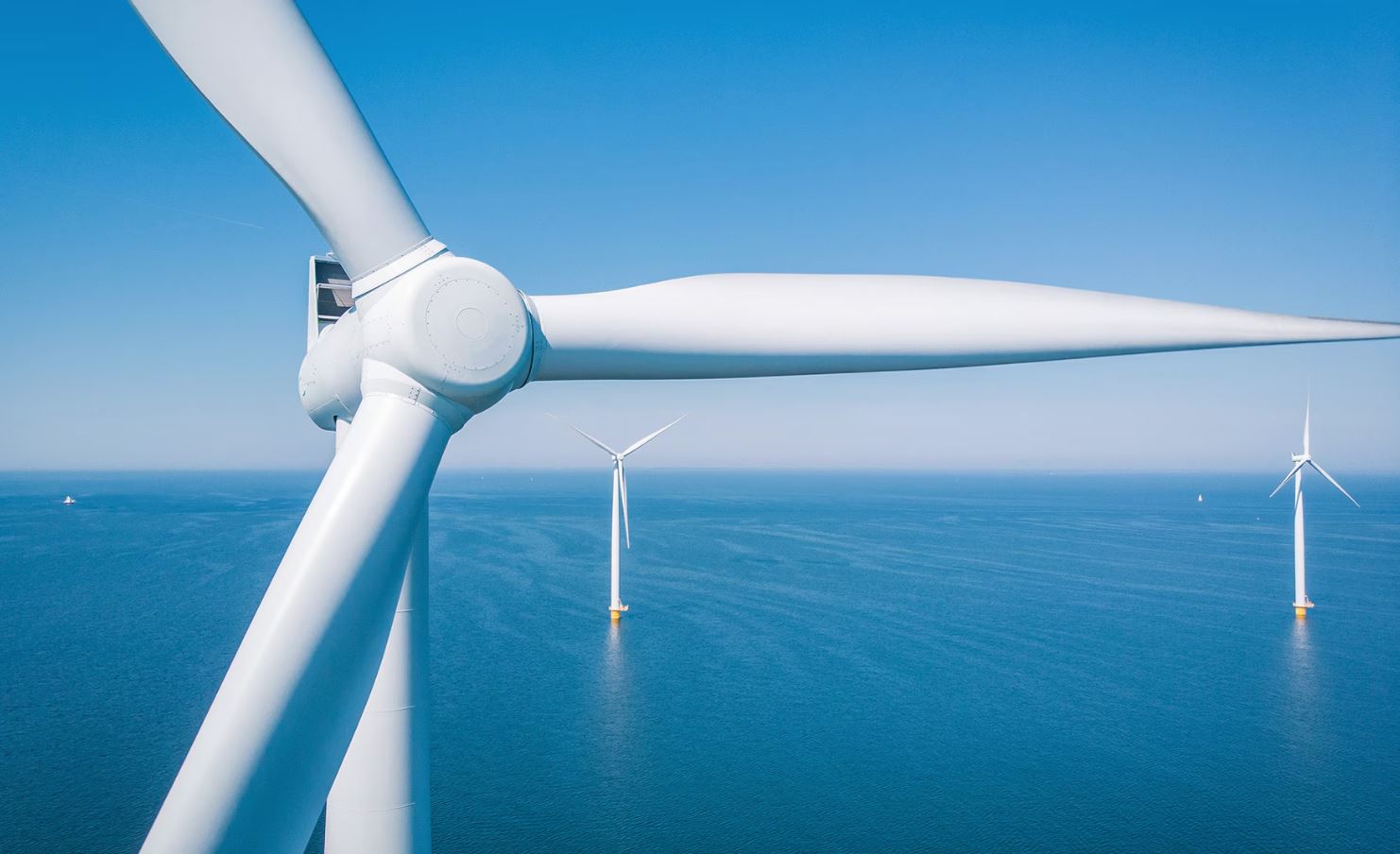
The secret of modern wind energy lies in the elegant conversion of movement into current. When air flows past a turbine’s blades, it exerts a force known as lift, similar to that which keeps airplanes aloft. The blades rotate, driving a shaft connected to a generator where magnetic fields produce electricity. Beneath this simplicity lies a symphony of design and mathematics. Engineers calculate blade length, pitch, and material flexibility to capture energy from both gentle breezes and fierce gusts. Control systems constantly adjust angles to prevent wear and maximize performance. Offshore turbines face salt, storms, and immense mechanical stress, requiring coatings that repel corrosion and foundations that anchor deep into the seabed. The rise of floating turbines now allows energy capture far beyond continental shelves, where winds are strong and consistent. Behind every tower is a balance of art and physics. The turbine becomes not just a machine but a living sculpture, translating the language of the sky into the vocabulary of power.
The Economics of Airborne Industry
Few revolutions have transformed the energy market as swiftly as wind. The cost of electricity from onshore turbines has declined by nearly ninety percent over the past forty years, making it one of the most competitive forms of generation. The transition to wind no longer depends solely on environmental ethics but on financial logic. Investors recognize that the resource itself is free, infinite, and immune to geopolitical volatility. Maintenance and infrastructure create jobs that cannot be outsourced to automation alone, bringing vitality to regions once dependent on coal or oil. Farmers lease portions of land for turbines and gain income without losing agricultural yield. In developing economies, small wind systems empower villages to grow industries independently of centralized grids. At a global scale, governments view wind energy as a stabilizing force against the price shocks of fossil fuels. The economic transformation extends beyond balance sheets. It creates a moral economy in which prosperity no longer requires depletion. Wind teaches that wealth can arise from flow rather than ownership, from circulation rather than control.
The Design of Landscapes in Motion
The modern skyline has changed. Where once smokestacks marked progress, turbines now stretch toward the horizon like silver reeds. Their slow rotation has become a new emblem of civilization’s dialogue with the planet. The integration of wind structures into landscapes raises questions of aesthetics and belonging. Engineers collaborate with environmental artists to design installations that complement natural rhythms rather than clash with them. Turbines are placed according to migration paths, soil composition, and community consultation. Offshore farms are located to minimize visual impact while protecting marine habitats. Even urban planners are experimenting with compact vertical turbines that adorn rooftops, blending function with form. The presence of wind technology in daily scenery redefines beauty as usefulness with grace. Children growing up near wind farms often describe turbines as guardians, constant but gentle. They represent an architecture of responsibility, where design follows not ego but ecology. The landscape in motion reminds humanity that art and science share the same horizon, the one that moves, breathes, and endures.
The Innovation That Shapes Tomorrow’s Air
Technological evolution in wind energy mirrors the dynamics it harnesses: ever moving, never still. Scientists are refining blade materials through biomimicry, studying the wings of birds and fins of whales to reduce drag and increase lift. Modular turbines now feature components that can be recycled easily, addressing the challenge of lifecycle waste. Artificial intelligence forecasts weather patterns to optimize energy distribution across grids. Storage systems pair with wind farms to preserve excess electricity in advanced batteries, hydrogen cells, or even compressed air. Offshore turbines, once limited by depth, now float on anchored platforms capable of operating hundreds of kilometers from shore. Some prototypes explore airborne wind energy, kites that fly in circles, generating power through tethered cables. These innovations expand the map of possibility. The industry is not content with efficiency alone; it aims for symbiosis. Future turbines may share data with ecosystems, adjusting output to avoid interference with migration, or coordinate with solar and tidal systems for balanced generation. The technology of tomorrow’s wind will not conquer the atmosphere but converse with it.
The Environmental Ledger of Motion
Wind power’s environmental credentials are strong but not without nuance. Its carbon footprint, measured across manufacturing, transport, and maintenance, remains among the lowest of any energy source. Yet responsibility extends beyond emissions. The extraction of raw materials for turbine construction demands oversight. Rare earth metals, essential for magnets, must be mined ethically to avoid transferring ecological harm from one region to another. Decommissioning old blades once posed waste concerns, but new methods transform them into durable components for bridges, playgrounds, and public benches. Wildlife protection has advanced through radar-based detection systems that temporarily halt turbine rotation when flocks approach. Offshore farms are designed to coexist with coral reefs, sometimes even enhancing marine biodiversity. Each generation of wind projects improves upon the last, guided by transparency and accountability. The environmental ledger of wind is not measured in perfection but in progress. It reflects an evolving conscience that values correction over complacency. The air that sustains life must be honored, not merely harvested. In that recognition, renewable energy becomes not just a system but a stewardship.
The Human Element of the Wind Economy
Behind the statistics and turbines lies the human story. Wind power has redefined the relationship between labor and landscape. In coastal towns once dependent on shipbuilding, workers now construct turbine blades that rival wingspans of aircraft. Engineers from multiple continents collaborate remotely to monitor performance through digital twins, ensuring efficiency while reducing field maintenance. For indigenous communities, consultation ensures that sacred lands are respected and benefits are shared. Education programs in schools introduce children to renewable science, turning curiosity into vocation. The expansion of wind energy also rebalances global power dynamics. Nations rich in open land or coastal wind zones are emerging as new energy leaders, challenging the traditional hierarchy built on oil. This shift is both economic and ethical. It distributes opportunity more evenly, showing that clean energy can be an equalizer. Yet, progress depends on empathy as much as expertise. The workforce that maintains turbines must be supported with safety, training, and dignity. The wind economy is not mechanical alone, it breathes with the aspirations of those who stand beneath the towers, watching their work rise and rotate against the endless sky.
The Cultural Reawakening of the Wind
Every great transformation reshapes culture as deeply as it changes technology. Wind energy has inspired artists, writers, and philosophers to reinterpret humanity’s relationship with motion. In literature, it symbolizes freedom and transience; in architecture, it represents balance and lightness. Communities near wind farms have turned these installations into focal points of tourism, celebrating renewable design through festivals and education centers. Museums dedicate exhibits to the history of wind power, tracing its lineage from ancient sails to modern turbines. Films and documentaries portray engineers as poets of physics, crafting harmony from turbulence. Cultural acceptance is critical to the energy transition. When people see turbines not as intrusions but as symbols of renewal, they begin to internalize sustainability as identity rather than obligation. The shift from consumption to coexistence must begin in imagination. The wind, after all, has always been more than air. It is metaphor, melody, and movement, a reminder that the planet’s rhythm can still be heard if humanity chooses to listen with intention.
The Infinite Breath of Renewal
There is a moment at dusk when the turbines slow and the sky glows with quiet color. The world seems suspended, as if holding its breath between day and night. That breath is the essence of wind power, a cycle without conclusion. Wind energy teaches that continuity is not the absence of change but its perfect form. It offers a model for civilization built on reciprocity, where power flows without depletion and growth occurs without loss. The future envisioned by GreenEconomy is one where turbines rise like instruments of balance, drawing strength not from domination but from dialogue. Each rotation becomes an act of gratitude to the atmosphere that sustains all life. As humanity refines its tools and intentions, it learns to read the invisible map of motion that surrounds it. The wind will continue to move whether noticed or ignored. The question is whether civilization will move with it. To breathe with the planet rather than against it is the beginning of wisdom, and perhaps the truest definition of progress.